Hawaii Pacific Health’s (HPH) Place-Based Investment (PBI) Fund invests in Feed the Hunger Fund (FTHF), Council for Native Hawaiian Advancement—recently rebranded as the Hawaiian Council, and Hawaii Community Lending. Supporting local food systems, building local farmer wealth, and increasing food security is a specific focus of HPH’s investing strategy.
Continue Readingtest
Boston Medical Center & Nubian Market
Wealth to Health: Nubian Markets BMC is proud to be part of Nubian Markets, a BIPOC-owned venture to create a local grocery store offering fresh foods, prepared meals, and a café right in the heart of Roxbury’s Nubian Square. The market is part of BMC’s commitment to community health and wealth-building.
Continue ReadingIntegrating Doula Support into Hospital Maternity Care Teams
Healthcare Anchor Network (HAN) and the National Partnership for Women & Families (NPWF) launched the Maternal Health Workforce Cohort in 2024 to identify and test workforce solutions to the maternal health crisis in collaboration with five HAN member health systems. This resource captures the Cohort’s insights, lessons learned, challenges, and real-world examples to help inform, inspire, […]
Continue ReadingNew HAN Anchor Mission Messaging Toolkit
HAN, working with Spitfire Strategies, just released Messaging to Communicate the Anchor Mission Framework Inside & Outside the Hospital Walls. The toolkit contains message platforms to help explain a health system’s positive impact on the community that resonates with key external and internal audiences. A message platform is a foundational messaging tool that can be used and adapted […]
Continue ReadingUniting health care & agriculture for community

HAN member RWJBarnabas Health just launched ‘Harvest’ – a first-of-its-kind farm to community center in Newark, NJ to combat food insecurity, promote nutrition education, and empower local businesses. The health system is partnering with Newark-based farm-to-city social enterprise Urban Agriculture Cooperative (UAC) to improve overall health outcomes. This innovative initiative brings together the power of health care, agriculture, education, and economic development […]
Continue ReadingRegister for the HAN Convening 2026: Denver
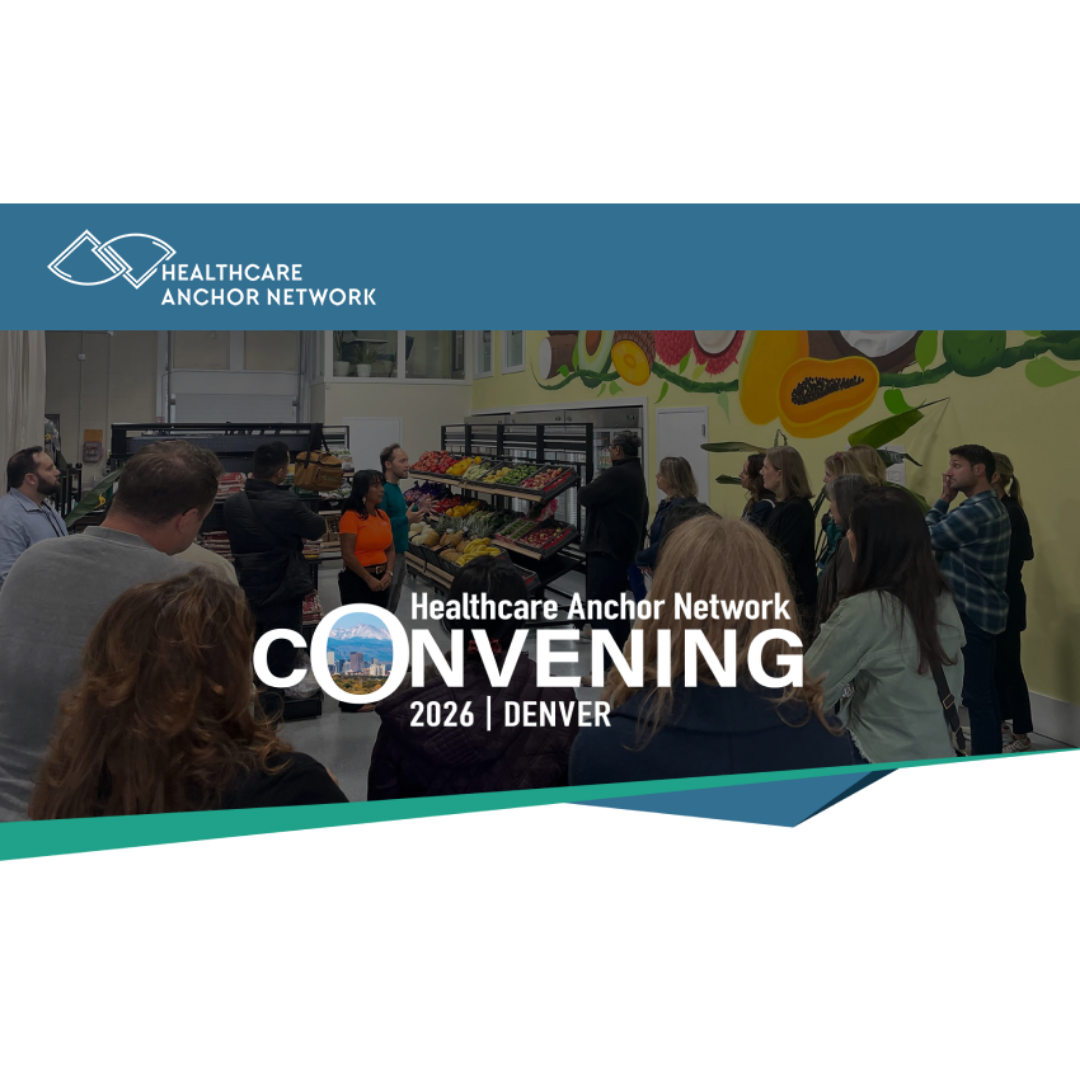
We’re excited to announce that registration is now open for the HAN Annual Convening 2026, taking place in Denver! From October 14-16, HAN members and invited partners will be part of three dynamic days of strengthening our connections, showcasing our collective impact, and advancing our shared work across the network. In alignment with this year’s theme — Collective Strength. […]
Continue ReadingAligning values to invest in neighborhoods
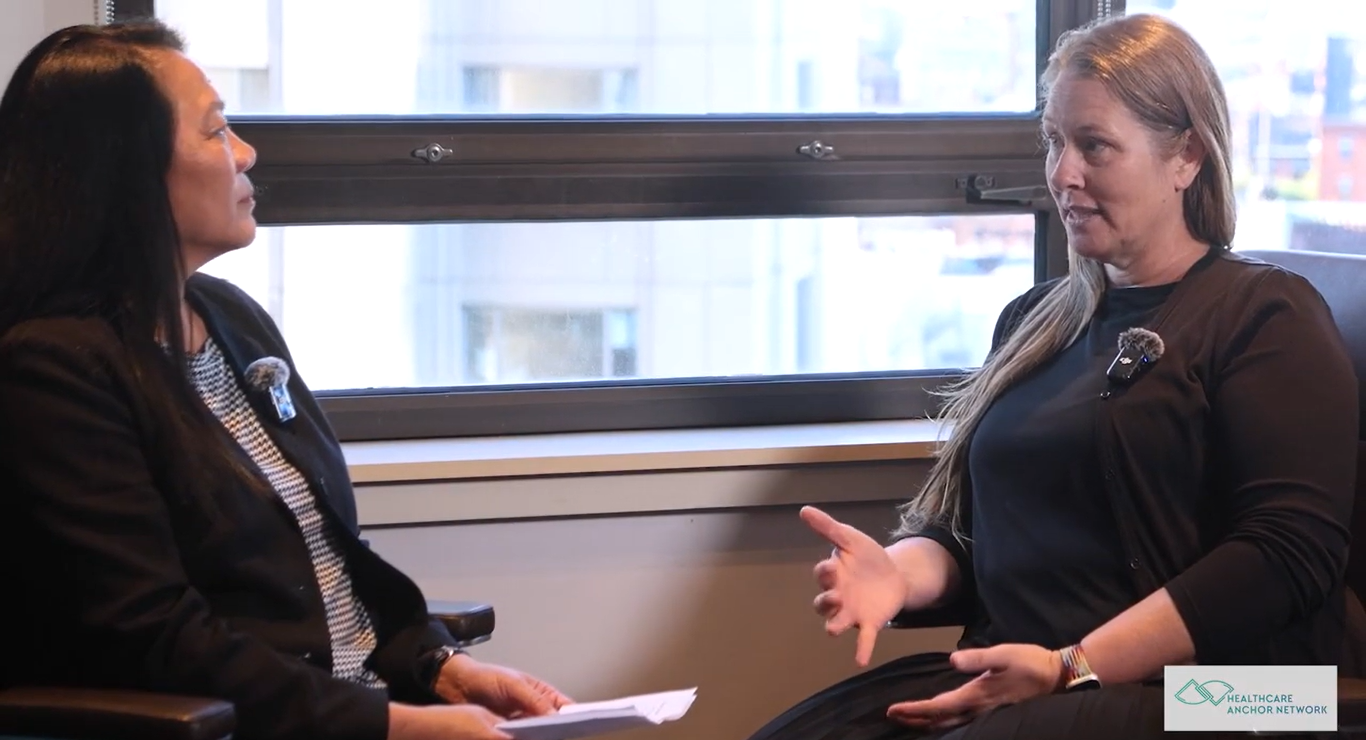
HAN member Trinity Health’s Jaime Dirksen, President & CEO of Pittsburgh Mercy (former Trinity Health Vice President, Community Health & Well-Being), shares insights in this video on:
Continue ReadingHAN & Undue Medical Debt: Where mission & operations meet
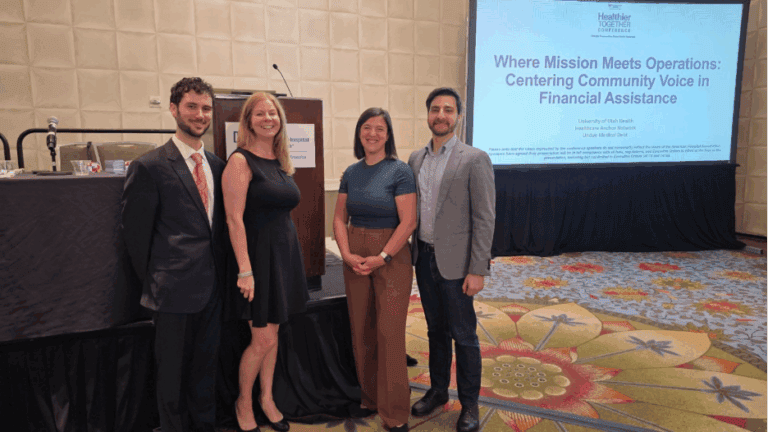
HAN member University of Utah Health and HAN President & Founder David Zuckerman co-presented with Undue Medical Debt at the AHA Healthier Together Conference. They shared key learnings from HAN and Undue’s Mind the Gap Learning Cohort and subsequent Journey Map Tool. Participating cohort teams strengthened collaboration across departments, established a shared understanding and common language, improved access to cross-team data, and identified […]
Continue ReadingCommunity long-term health & stability

HAN member Rush University System for Health is addressing food insecurity and strengthening its bond with the community through food security and urban farming initiatives. It is estimated that more than half a million residents of the nearby West Side neighborhood have difficulty accessing nutritious food, which worsens other health issues. Increasing access to food is part […]
Continue ReadingResources
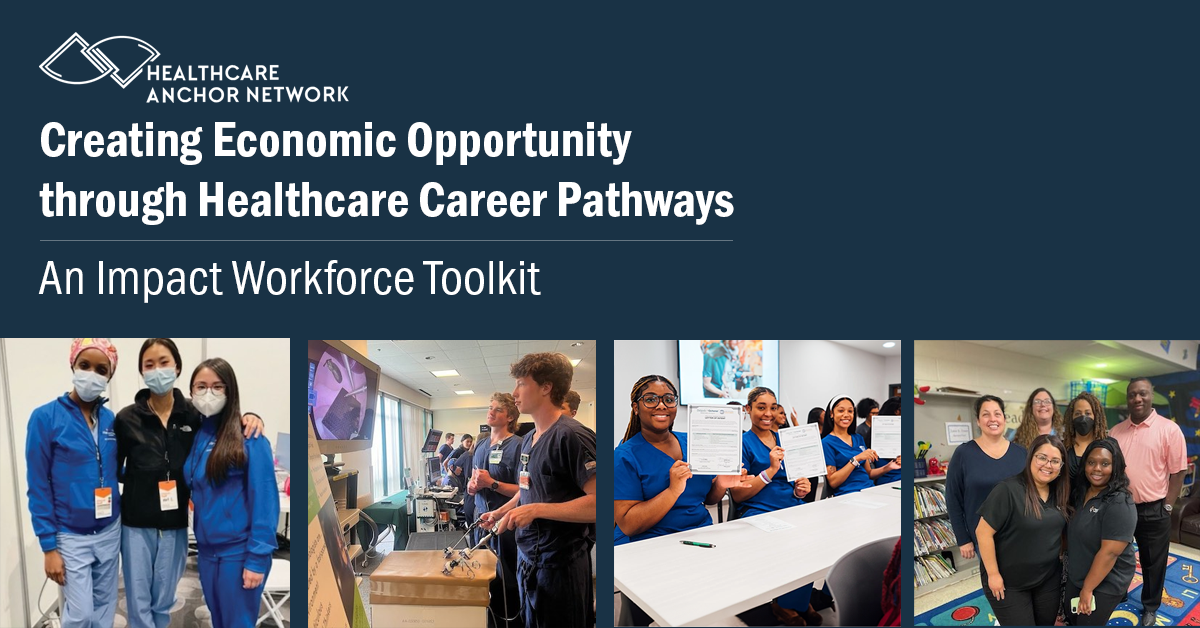
HAN’s Impact Workforce Toolkit is a practical resource that captures a decade of learning on how health systems can use their hiring and workforce practices to create meaningful economic opportunity in their communities. Built from case studies and tools drawn directly from health systems across the country, the Impact Workforce Toolkit is designed for practitioners at every stage. The updated […]
Continue Reading